
How Long Do Coffee Beans Last? A Freshness Guide
Whole coffee beans taste their best soon after roasting. Learn what changes their flavor, how to store them, and when to buy more.
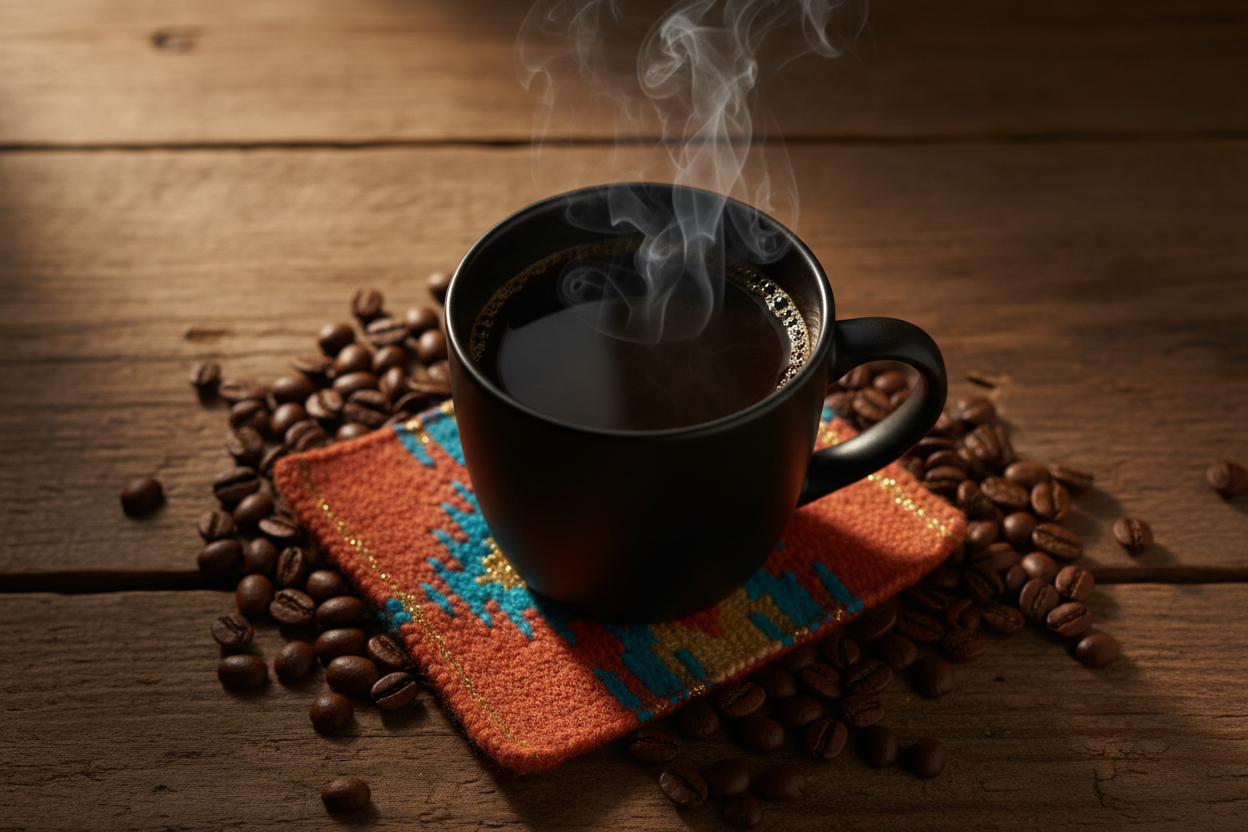
Coffee beans can stay safe to brew for a long time when they are kept dry, but their best flavor has a much shorter window. For a good everyday rule, plan to enjoy whole beans within about a month of their roast date and buy only the amount you will use in that time. That keeps the cup lively, aromatic, and closer to the flavor the roaster intended.
There is no single day when every coffee suddenly becomes bad. Roast level, packaging, brew method, and the way you store the bag all matter. A darker roast may behave differently from a light roast, and espresso can need more resting time than a simple drip brew. Still, the same idea holds: whole beans keep their character longer than ground coffee, and heat, moisture, light, and air all make the fade happen faster.
The practical answer is simple. Check the roast date, keep the bag sealed in a cool dark cabinet, grind right before you brew when you can, and let your nose and palate make the final call. This guide explains what that looks like without turning your morning cup into a lab project.
The Short Answer: Buy for the Next Few Weeks
For most home coffee drinkers, whole beans are in a very good place from roughly one to four weeks after roasting. The Specialty Coffee Association explains that roasted coffee changes quickly as it releases carbon dioxide after roasting. That natural release is most active early on, which is why a just-roasted coffee can need a little time before it settles into its most dependable cup.
Think of the first several days as a resting period, especially if you make espresso. Then use the coffee regularly rather than saving it for a special occasion. By a few weeks in, a well-stored bag can still taste excellent. Later, it may remain perfectly drinkable, but the fragrance, sweetness, and detail that made you choose it can start to feel quieter. The calendar is a guide, not a verdict. A coffee you enjoy is still a coffee worth brewing.
Ground coffee moves much faster because grinding exposes far more surface area to air. The SCA notes that the gas loss that takes weeks in whole beans can happen in minutes after grinding. That is why buying fresh roasted whole beans and grinding only what you need can make such a noticeable difference at home.

Why Coffee Loses Its Spark
Freshness is mostly about flavor, not a dramatic safety deadline. After roasting, coffee holds carbon dioxide and aromatic compounds inside its porous structure. As the gas escapes, oxygen can reach the beans more easily and the coffee gradually develops flatter or less appealing notes. The SCA’s review of coffee staling identifies oxygen, temperature, and moisture as important factors in how quickly that change happens.
That is why the storage basics are wonderfully ordinary. Keep coffee away from a sunny counter, a warm oven, and a damp refrigerator. Do not leave the bag loosely open between brews. The goal is not to create a perfect vacuum at home. It is to avoid giving air, warmth, and moisture more access than they need.
Whole beans have an advantage because their surface area is smaller. Once coffee is ground, the aromas you love have far more room to escape. If you buy pre-ground coffee for convenience, keep the bag tightly closed and choose a smaller size. If you use a grinder, fill it for the next few brews instead of treating the hopper as long-term storage.
- Air: exposure slowly dulls aroma and flavor.
- Heat: warmth speeds the changes that make coffee taste tired.
- Moisture: humidity can make coffee lose freshness faster.
- Light: a dark cabinet is kinder to coffee than a sunny counter.
Keep the Bag Sealed, Cool, and Dark
The original bag is often the best first home for coffee. If it has a resealable closure, press out excess air, fold it down, and close it after each scoop. Then place it in a cabinet away from the stove, dishwasher steam, and direct sun. You do not need a collection of specialty containers to do this well.
An opaque airtight canister is a good option if it makes your routine easier. Choose one that is clean and dry, keep it in a cool cabinet, and avoid opening it more often than you need to. A clear jar on the counter may look inviting, but it gives light and warmth a front-row seat. A bag left near a heat source will not improve because it is stored in a handsome container.
The refrigerator is usually not the right answer for a bag you open every day. Coffee can take on nearby odors, and temperature changes can invite condensation. If you buy more coffee than you will use in the next several weeks, freezing unopened, well-sealed portions can be a more sensible long-term plan. Keep each portion sealed until it reaches room temperature, then open it once you are ready to use it.
Read the Roast Date, Not Just the Best-By Date
A roast date tells you when the freshness clock begins. A best-by date can still be useful for a packaged product, but it does not answer the same question. If you want the fullest flavor, the roast date lets you choose a bag that fits when you expect to brew it.
That is especially helpful when you are choosing between whole bean and ground coffee. Whole bean gives you more room to enjoy the coffee at its best. Ground coffee is convenient, but it asks you to use it sooner. Neither choice is morally superior. Pick the format that you can brew happily and finish while it still tastes good to you.
Stacona coffee is roasted after an order is placed, so the bag begins its trip to you with a clear advantage: it has not been waiting on a shelf for an unknown stretch of time. If you are building a regular coffee habit, choose a size you can finish steadily and browse Stacona’s coffee blends by the flavor profile you enjoy.
How to Tell When Your Coffee Is Past Its Best
Coffee does not need to be thrown away simply because it is older. First, brew a cup and pay attention. Does it smell muted when you open the bag? Does the brewed coffee taste flat, papery, unusually bitter, or empty compared with the first cups from the bag? Those are more useful clues than panic over a date on the calendar.
For espresso drinkers, a thin-looking shot or crema that disappears quickly can be one sign that the coffee has changed. For filter coffee, the signal may be a cup that tastes less fragrant or less sweet than you remember. Before blaming the beans, check the simple things: grinder setting, water temperature, coffee-to-water ratio, and clean equipment all make a difference.
If a bag has become a little quiet but you still enjoy it with milk or over ice, use it. If it has been exposed to water, smells musty, or shows visible mold, do not brew it. The usual issue with older dry coffee is quality, not danger, but a wet or damaged bag is a different situation.
Freeze Only the Coffee You Will Not Open Soon
Freezing can be useful when you have more coffee than you will use in the next few weeks. The key is portioning. Divide the coffee into small, airtight bags or containers before freezing, then take out only one portion at a time. Let that unopened portion come back to room temperature before you open it. This keeps condensation away from the beans and lets the rest of the coffee stay undisturbed.
Avoid moving the same opened bag in and out of the freezer. Repeated temperature swings make the routine harder than it needs to be and can introduce moisture. If freezing feels fussy, it is perfectly reasonable to order smaller bags more often instead. The best storage plan is the one that fits how you actually drink coffee, not the one that looks most impressive on a kitchen shelf.
For a bag you are using now, the cabinet wins. Keep it sealed, cool, and dark, then save the freezer for genuinely longer storage. That small distinction gives you a simple answer without asking you to manage every scoop like a special project.
Match the Bag Size to Your Routine
The easiest way to protect freshness is to avoid buying much more coffee than you can enjoy in a few weeks. A person who makes one cup a day may be happier with a smaller bag and a more frequent order. A busy household can likely move through a larger bag while it is still tasting lively. There is no prize for storing a huge supply if half of it turns into a forgettable cup.
Start with your real habits. If you brew an occasional weekend coffee, choose a smaller bag or share one with someone else. If you make coffee every morning, try enough for a few weeks and see how quickly it disappears. Whole bean coffee gives you the most flexibility, especially when you grind just before brewing.
For a coffee that feels familiar and steady, Stacona’s Legacy Blend is a medium-dark roast option. If you prefer a brighter whole-bean cup, the Tanzania coffee offers a light-medium profile. The right bag is the one whose flavor you want to meet again tomorrow, while it is still showing its best character.
Make Your Brew Method Part of the Decision
The way you brew coffee changes what you notice first. Espresso is especially sensitive to how recently a coffee was roasted because carbon dioxide affects how water moves through a tightly packed puck. A very fresh bag can run differently from one that has had several days to settle. That does not make fresh coffee a problem. It simply means that a small adjustment to your grinder or dose can be part of getting the cup you want.
Drip coffee, pour-over, and French press are usually more forgiving. If your cup starts tasting less vivid, try a slightly finer grind or a little more coffee before deciding that the bag is finished. Change one thing at a time, then taste again. This is more useful than chasing an exact freshness rule because your water, brewer, and preference all matter too.
If you enjoy a different coffee on different days, keep a simple note. “Bright and lively at two weeks” or “best with a slightly finer grind after a month” is enough. Those observations help you order with more confidence and get the most from the coffee you already have.
A Simple Freshness Routine
Good coffee storage is less about expensive gear and more about a few repeatable choices. Buy coffee with a roast date you can use soon. Keep it sealed in a cool, dark place. Grind close to brew time. Then taste the coffee instead of letting an internet rule decide for you.
That approach respects both the science and the daily ritual. The SCA’s research review on coffee staling makes clear that storage conditions and coffee format matter, while your own brew method decides what “at its best” tastes like in the cup. Use the timeline as a helpful boundary, then enjoy the coffee rather than chasing perfection.
When it is time for the next bag, shop Stacona coffee for roasted-to-order options that fit your taste and routine. Freshness should make coffee easier to enjoy, not another thing to overthink.
- Check the roast date when you order or open a new bag.
- Store beans sealed in a cool, dark cabinet.
- Grind only what you need when possible.
- Choose a bag size you will use within a few weeks.
- Trust the aroma and the cup, then adjust your next order.
Frequently Asked Questions
How long do coffee beans stay fresh after roasting?
Whole coffee beans are often at their best during the first few weeks after roasting. The exact window depends on the roast, packaging, brew method, and storage, but buying a quantity you can use within about a month is a practical rule.
Do coffee beans expire?
Dry roasted coffee usually becomes stale before it becomes unsafe. It may lose aroma, sweetness, and flavor over time. Do not use coffee that has gotten wet, smells musty, or shows visible mold.
Should I store coffee beans in the fridge?
For an everyday bag, a cool, dark cabinet is usually better. Refrigerators can introduce odors and condensation as the bag moves in and out. Freeze well-sealed portions only when you need to hold coffee longer.
Is whole bean coffee fresher than ground coffee?
Whole bean coffee generally holds flavor longer because less surface area is exposed to air. Grinding shortly before brewing helps preserve the aroma and flavor you want in the cup.