
Mushroom Coffee Ingredients: What’s Actually in the Cup
A straightforward guide to mushroom coffee ingredients, from the coffee base and mushroom blend to powders, extracts, caffeine, and label details.

Mushroom coffee ingredients are simpler than the name suggests, but the details can vary a lot from one bag to the next. At its core, mushroom coffee is coffee paired with mushroom powder or extract. Some versions are regular grounds for a drip maker or French press. Others are instant powders that dissolve in a mug. Then there are blends with extras such as creamer, coconut milk powder, spices, or sweeteners.
That variation is why the front of a package cannot tell the whole story. A blend can contain coffee and three named mushrooms, yet still be very different from the bag beside it in format, caffeine, texture, or added ingredients. The useful move is to read the ingredient panel before deciding whether a coffee fits your routine. You do not need a chemistry degree, just a clear way to look at the label.
This guide explains the ingredients you are most likely to see, what they mean for the cup in front of you, and the practical questions worth asking before you brew. It is not a promise that one ingredient will change your health. It is a way to understand what you are buying and make a coffee you genuinely enjoy.
Mushroom Coffee Starts With Coffee
Despite the name, mushroom coffee is still coffee. The coffee portion may be roasted grounds, soluble instant coffee, coffee extract, or a combination. That base is what gives the drink its familiar roast aroma and most of its caffeine. If you like the ritual of measuring grounds, brewing, and pouring a fresh mug, a ground blend will feel most natural. If speed matters more, an instant blend is designed to dissolve in hot water.
The format matters because it changes how you make the drink. Ground coffee belongs in a brewer, French press, pour-over, or other coffee equipment. Instant coffee belongs in a mug, where a small splash of hot water helps it dissolve before you add the rest. The University of Illinois Extension notes that mushroom coffee appears both as brewed grounds and as mix-in powder, so preparation directions on the bag are more useful than assuming every blend works the same way.
Coffee type can also shape the flavor. A medium roast often feels brighter and more balanced. A dark roast brings a deeper, fuller profile that can stand up to milk, ice, or a little sweetener. Neither is automatically better. The better choice is the one that makes the mushroom blend fit the way you already like to drink coffee.

The Mushroom Blend: Named Ingredients Matter
Most mushroom coffee labels name one or more mushrooms in the blend. Lion’s mane, cordyceps, reishi, chaga, and turkey tail are common names in the category. They are added as dried powder, an extract, or a blend of both. Seeing the species written out is a useful starting point because it tells you more than a vague phrase such as “functional blend.”
A named mushroom is not the same thing as a guaranteed outcome. The Illinois Extension’s overview makes the sensible distinction: research on whole mushrooms does not automatically prove that a dried, extracted, and brewed coffee blend will have the same effect. That is worth remembering when the front of a bag makes a very big promise.
For a shopper, the practical question is not which mushroom has the flashiest reputation. It is whether the label tells you what is actually in the bag. Look for each mushroom by name. If the information is available, note whether it is a powder, an extract, or part of a combined blend. Then treat the product as a coffee first, and choose based on taste, preparation, caffeine, and ingredient transparency.
Stacona’s Mushroom Blend uses lion’s mane, cordyceps, and reishi. That same blend is available in its Medium Roast Mushroom Coffee, Dark Roast Mushroom Coffee, and Instant Coffee with Mushroom. The difference is how you want to prepare the cup: brew the ground coffees as you would regular coffee, or dissolve the instant version directly in hot water.
- Lion’s mane, cordyceps, and reishi are the mushrooms named in Stacona’s blend.
- A label that names each mushroom is easier to compare than a label that only says “mushroom blend.”
- The coffee format, serving directions, and caffeine information are just as important as the mushroom names.

Powder and Extract Are Not the Same Thing
Two words can make a real difference on a mushroom coffee label: powder and extract. Mushroom powder is made by drying and grinding mushroom material into a fine form. An extract is made by drawing certain compounds out of mushroom material, then concentrating that result. Both can appear in coffee, but they are different ingredients and should not be treated as interchangeable.
Powder can leave a little natural sediment, especially in an instant drink. That does not make the coffee defective. It simply means some fine material may settle while the cup sits. The easiest fix is a small first splash of hot water, a thorough stir, and another quick stir before the final sips. Stacona’s instant blend uses real mushroom powder rather than extracts, so a small amount of natural sediment can be part of the cup.
An extract may dissolve differently or appear in a smaller amount on the serving panel. Neither description, on its own, tells you whether you will love the coffee. For that, check the whole label: the coffee base, the mushroom form, the serving size, the amount of caffeine, and the extras. The National Institutes of Health Dietary Supplement Label Database shows one example of how widely products can differ, with coffee, a multi-mushroom powder blend, and other ingredients all listed on a single panel.
If a package only gives a proprietary blend total, do not assume it contains equal amounts of every named mushroom. It may not. That is not a reason to panic, but it is a good reason to let the complete label guide your decision instead of marketing language alone.
Watch for Ingredients Beyond Coffee and Mushrooms
Some mushroom coffees are very short ingredient lists: coffee plus a mushroom blend. Others are built more like a latte mix. You may see coconut milk powder, MCT oil, collagen, cocoa, spices, sweeteners, natural flavors, L-theanine, or other additions. These extras can be useful when they match the kind of drink you want, but they can also change the taste, calories, allergens, and preparation.
A creamy instant drink may already include a creamer, which means you may not need to add milk. A sweetened blend can taste pleasant on its own but leave less room to control your sugar. A black coffee blend gives you more freedom to choose your own milk, ice, cinnamon, maple, or nothing at all. There is no prize for buying the most complicated ingredient list. The best one is the blend you can understand and make repeatedly.
Caffeine deserves a quick check too. Because the coffee base and serving size differ between products, the amount of caffeine can differ as well. If caffeine is important to you, look for the amount per serving on the bag or ask the maker before you make it a daily habit. If you take medication, manage a medical condition, are pregnant or nursing, or have an allergy concern, the full ingredient list is also useful information to take to a qualified clinician.

A Simple Mushroom Coffee Label Checklist
You can read most mushroom coffee labels in under a minute. Begin with the ingredient list, not the headline. First, find the coffee base. Is it ground coffee, instant coffee, coffee extract, or something else? Next, find the mushrooms. Are they named individually? Does the label say powder, extract, fruiting body, mycelium, or a blend? Then look for extras that will change the finished drink, such as sweeteners, creamers, oils, or flavoring.
After that, look at serving size and caffeine. Serving size tells you how much product the maker expects you to use. Caffeine tells you more about the cup than broad claims about “energy.” If either detail is missing and it matters to you, a good next step is to ask the maker directly. Clear information is a better reason to buy than a dramatic promise on the front of the bag.
Finally, match the preparation to your routine. Choose a ground blend if brewing coffee is already part of your day. Choose an instant blend if you need an easy mug at home, at work, or on the road. If you are new to the category, make the first cup plain enough to taste the coffee. You can always add milk, ice, or sweetness after you understand the blend itself.
- Coffee base: grounds, instant coffee, or another format.
- Mushrooms: each type named, plus powder or extract when listed.
- Extras: creamers, oils, sweeteners, flavors, or other add-ins.
- Serving size and caffeine: the practical details that shape the cup.
- Preparation: brew grounds, dissolve instant coffee, and follow the package directions.
Make the Ingredient List Work for Your Routine
The point of reading mushroom coffee ingredients is not to turn a morning cup into homework. It is to find the version that feels simple and honest for you. If you want the familiar pace of brewed coffee, choose a ground blend and use the equipment you already own. If you want speed, choose an instant blend and dissolve it well before adding ice or milk. If you want more control, start with a shorter ingredient list and build your own cup around it.
Stacona keeps its mushroom coffee options focused on the coffee ritual. The brewed Medium Roast and Dark Roast let you use your favorite brewer. The Instant Coffee with Mushroom is made for a fast mug and provides about 42 servings per package. Each option uses the same lion’s mane, cordyceps, and reishi blend, so the choice comes down to roast and routine rather than a maze of unnecessary additions.
Once you know what is in the bag, the rest is personal. Brew it black, make it creamy, pour it over ice, or adjust the strength a little at a time. Our instant mushroom coffee guide and mushroom coffee flavor guide can help you settle on a version you will actually look forward to drinking.
Frequently Asked Questions
What are the main ingredients in mushroom coffee?
Most mushroom coffee starts with coffee plus mushroom powder or extract. The exact blend varies, so check whether the coffee is ground or instant, which mushrooms are named, and whether the product includes creamers, sweeteners, oils, or flavors.
Does mushroom coffee contain real coffee?
Many mushroom coffees do contain real coffee, which supplies the familiar coffee flavor and most of the caffeine. Check the ingredient panel to see whether a particular product uses roasted grounds, instant coffee, coffee extract, or a different base.
Is mushroom powder the same as mushroom extract?
No. Mushroom powder is dried, milled mushroom material, while an extract is made by concentrating compounds from mushroom material. Both can appear in coffee, but the label should identify which form it uses.
Why does instant mushroom coffee sometimes leave sediment?
Some instant blends use real mushroom powder, which can leave a small amount of fine natural sediment as the drink sits. Dissolve the powder in a small splash of hot water first, stir well, and give the cup another quick stir before the last sips.
Related Posts

How to Make Instant Mushroom Coffee Without Clumps
Make a smooth hot, iced, or creamy instant mushroom coffee with a simple method that starts with the serving on your package.
Read Guide →
Does Mushroom Coffee Expire? Storage and Freshness
Learn how to read the date, store mushroom coffee well, and spot when an opened bag is no longer at its best.
Read Guide →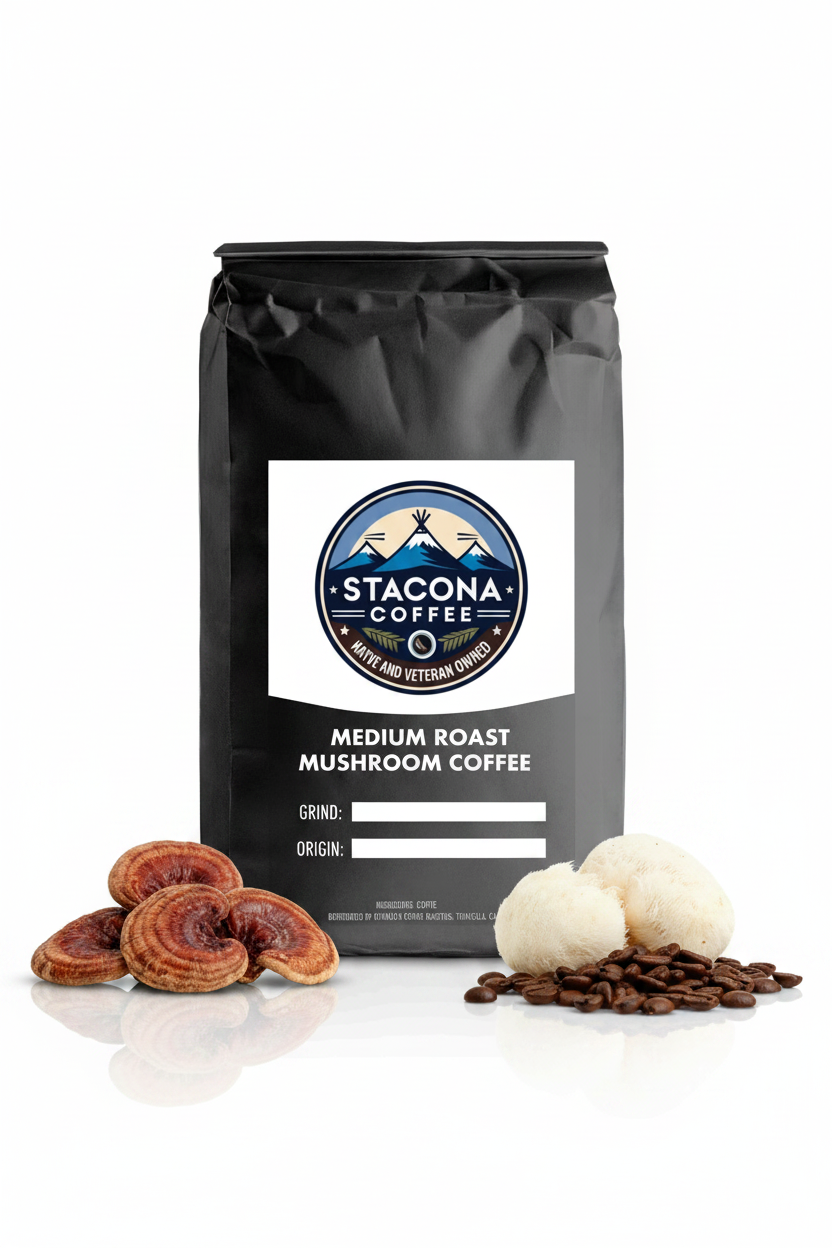
Mushroom Coffee Recipe: 3 Easy Ways to Make It
Make mushroom coffee hot, iced, or as a simple cold brew with practical recipes that fit the way you already drink coffee.
Read Guide →Mushroom Coffee vs. Regular Coffee: Which Fits You?
Compare mushroom coffee and regular coffee by ingredients, taste, caffeine, preparation, cost, and routine so you can choose the cup that fits your day.
Read Guide →